How to Avoid Mistakes When Organizing an Event


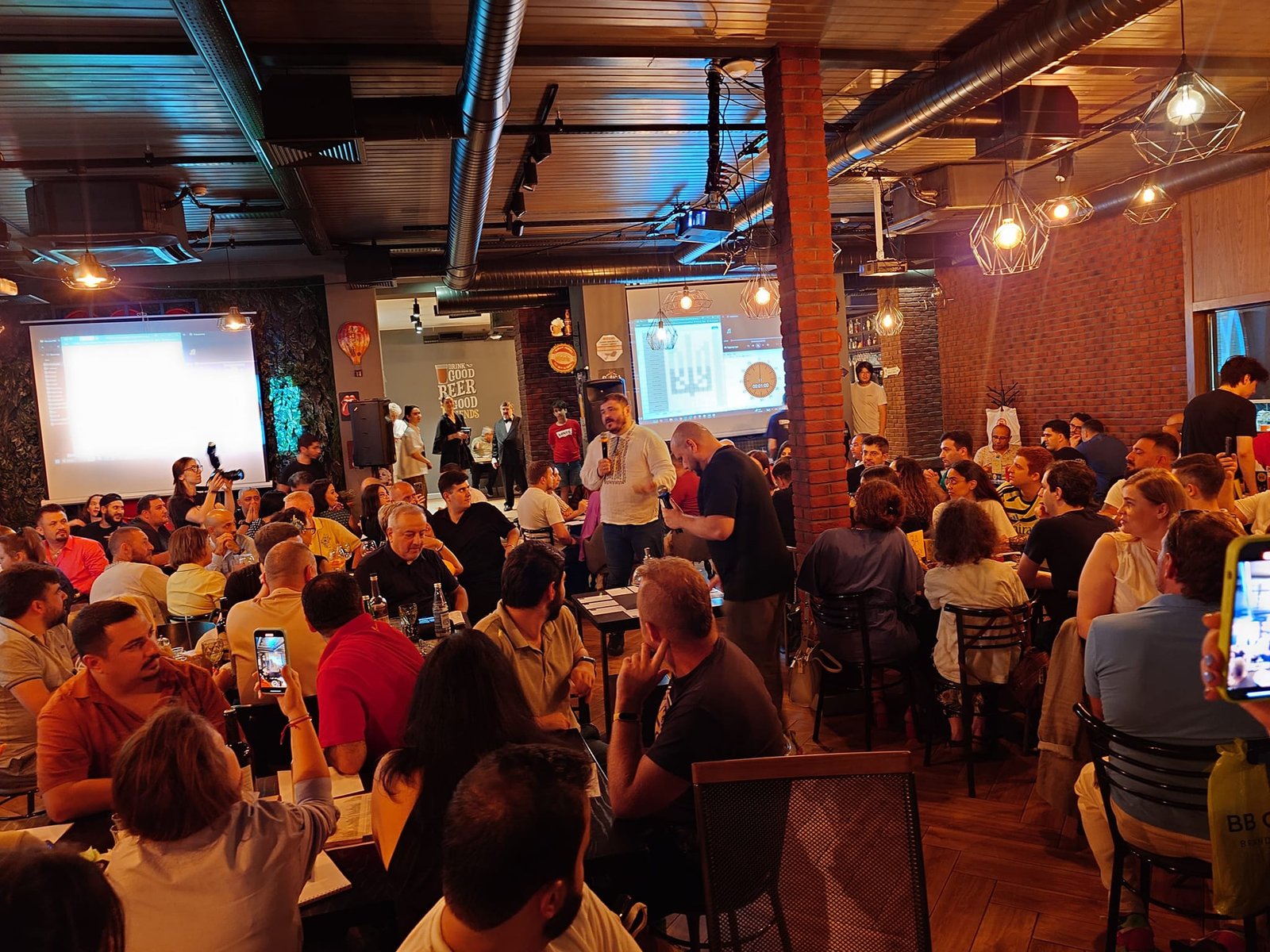
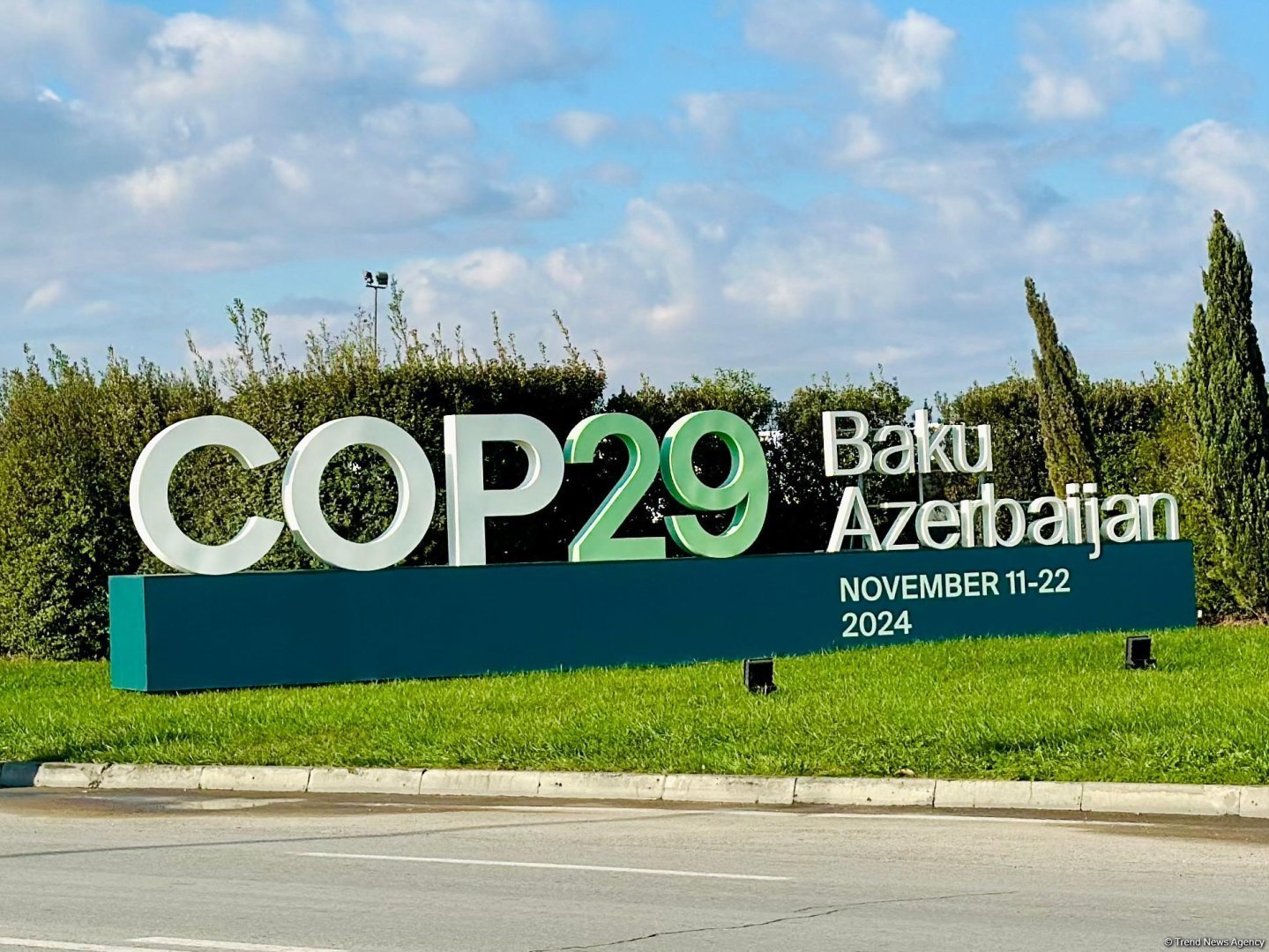
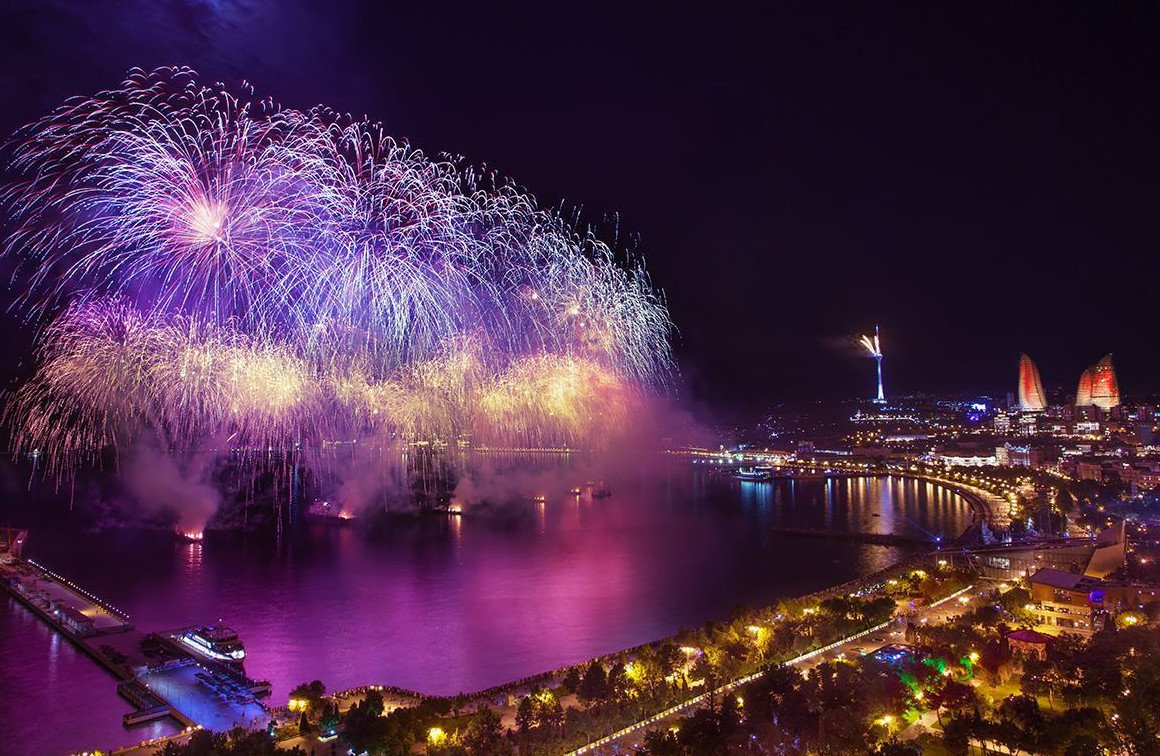
The Most Common Mistakes and How to Prevent Them
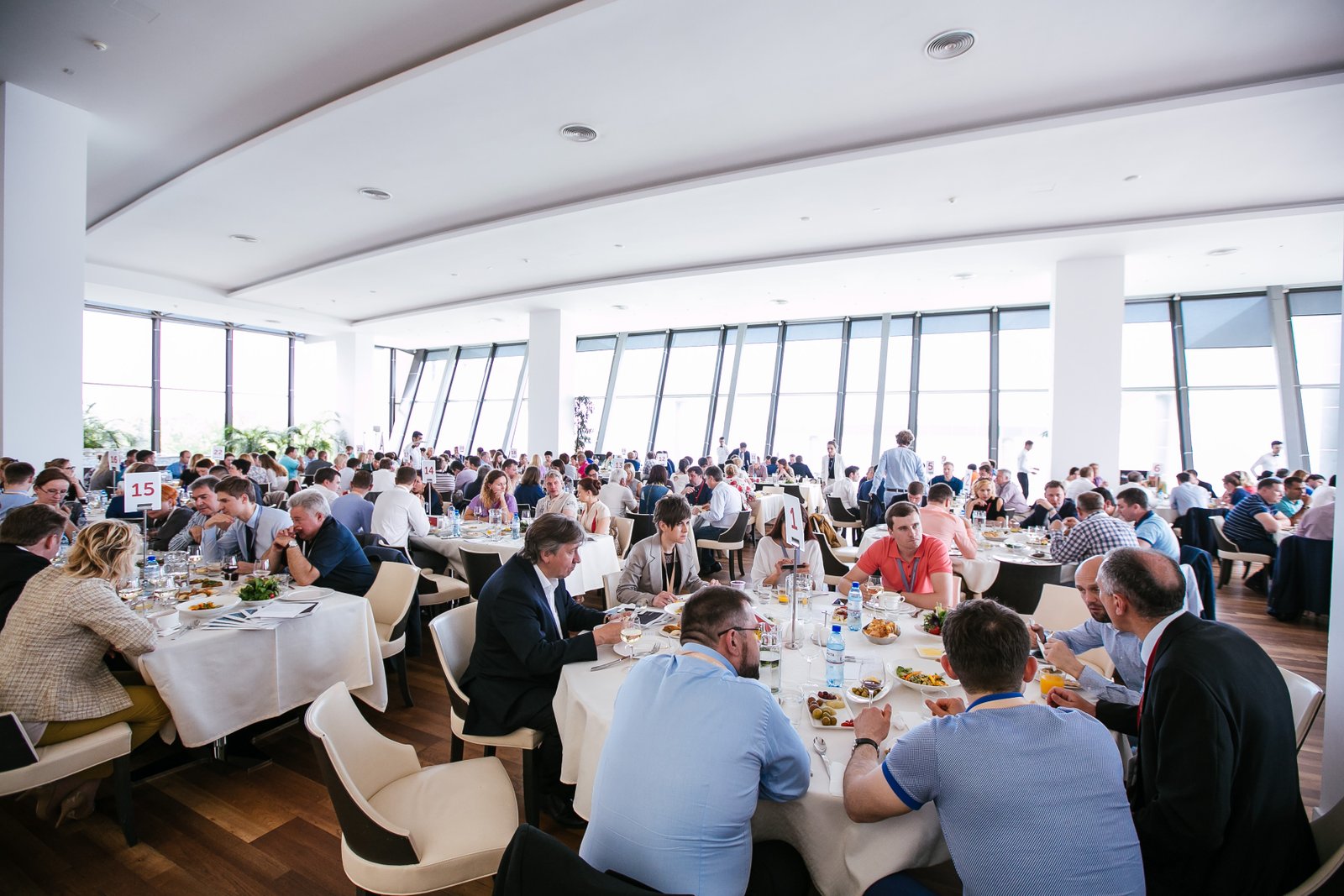
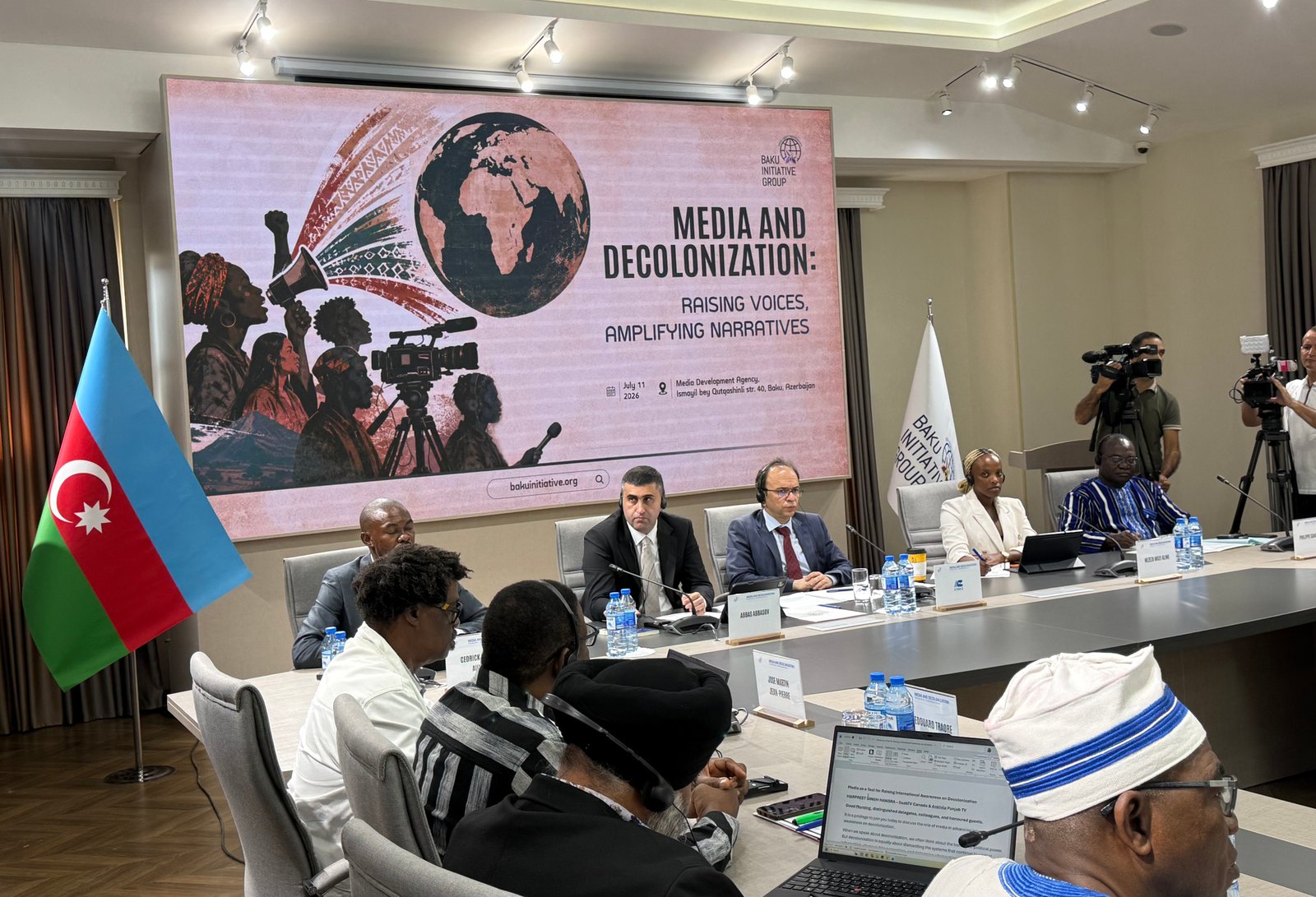
Even the most carefully planned events can run into unexpected problems. In most cases, though, these difficulties don't stem from force majeure — they come from mistakes made during the preparation stage. Insufficient attention to detail, a lack of a clear plan, or a poor understanding of participants' needs can all affect the overall impression of an event and reduce its effectiveness. Knowing the main risks in advance makes it possible to avoid most organizational problems.
Mistake #1: No Clear Objective
One of the most common mistakes is organizing an event without a specific business goal. If organizers don't know what result they're aiming for, it becomes difficult to define the format, program, and criteria for success.
Before preparation begins, you need to answer one question: why is this event being held, and what outcome is expected?
Mistake #2: Poor Time Planning
Many projects start preparation too late. This narrows the choice of venues and creates difficulties booking hotels, contractors, and technical equipment.
The earlier preparation begins, the more room there is for quality organization and budget optimization.
Mistake #3: Ignoring Audience Needs
The program must match participants' interests.
An event for international partners, company employees, or government representatives requires a completely different approach. Understanding the audience helps make the event more comfortable and effective.
Mistake #4: Cutting Corners on the Wrong Things
Saving money doesn't always mean cutting the budget.
Using unsuitable equipment, understaffing, or skipping professional technical support can lead to extra costs and negative feedback down the line.
It's better to identify in advance which areas truly warrant investment in quality.
Mistake #5: An Overloaded Program
Organizers sometimes try to pack the schedule as full as possible with talks and activities.
In practice, participants need breaks — time to talk with colleagues, exchange ideas, and build new business connections. A well-balanced program is always received better than an overly packed one.
Mistake #6: No Backup Plan
Even a perfectly organized event can run into unforeseen circumstances.
Flight delays, changing weather conditions, technical failures, or rescheduled sessions all require alternative solutions prepared in advance.
Having a backup scenario allows you to respond quickly to any changes.
Mistake #7: Underestimating Logistics
Participant comfort begins long before the event opens.
Transfers, guest accommodation, wayfinding, registration, and transportation directly shape the overall impression. Logistics is often the first source of negative feedback when it doesn't get enough attention.
Mistake #8: Poor Communication Within the Team
Organizing an event is teamwork.
Every person involved in the project needs to understand their responsibilities, deadlines, and how to coordinate with other specialists. Clear coordination helps avoid most organizational breakdowns.
Mistake #9: No Follow-Up Feedback
After an event ends, many companies move straight on to the next project without analyzing the results.
Participant feedback helps identify the event's strengths, uncover weaknesses, and make future projects even more successful.
Most event organization mistakes can be prevented during the preparation stage. Clear planning, attention to detail, understanding of participants' needs, and professional coordination significantly reduce risk and help deliver a high-quality event. This systematic approach is the foundation of successful corporate events — ones that achieve their goals and leave a positive impression on everyone involved.
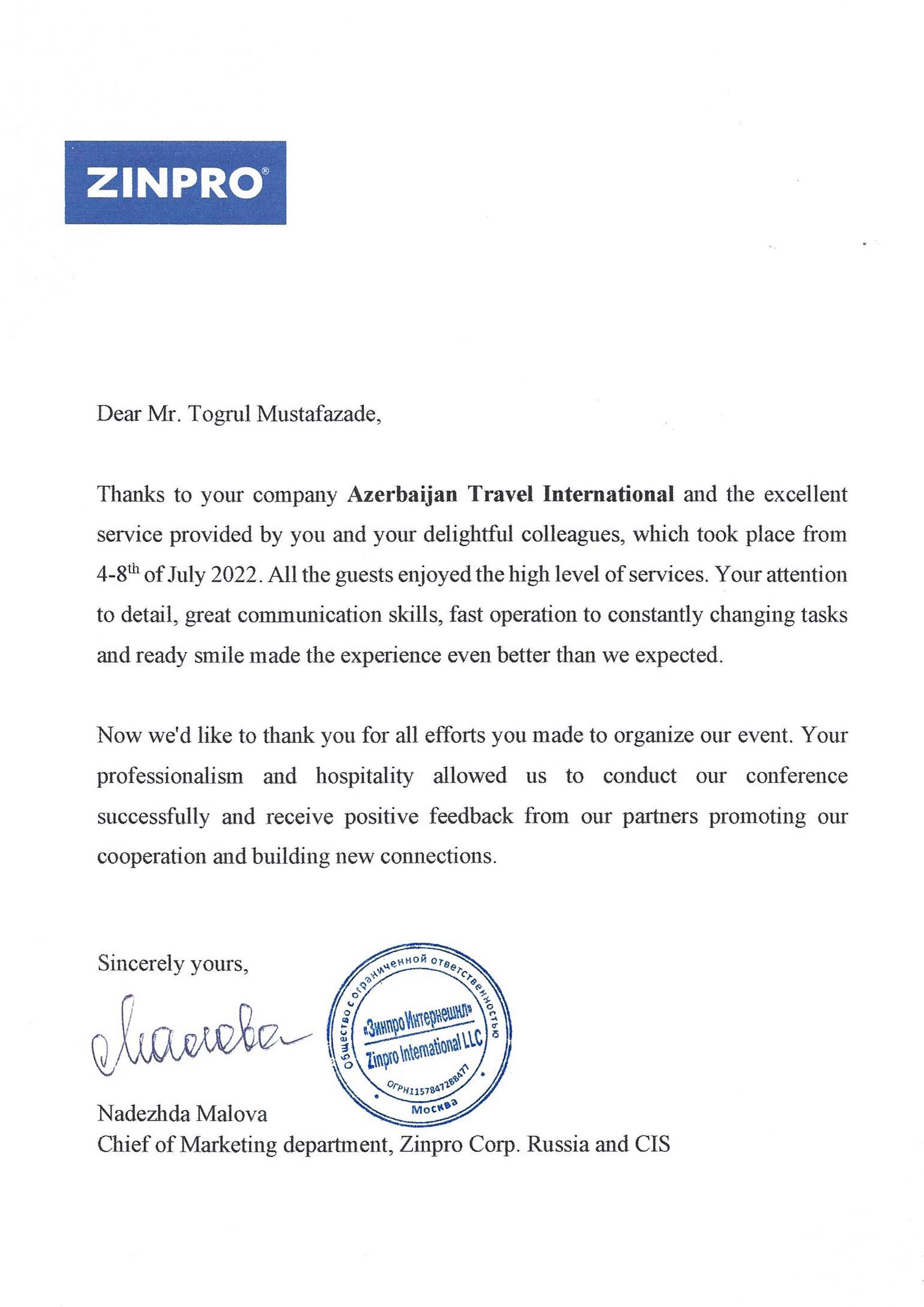
Frequently Asked Questions
We provide MICE event organization in Azerbaijan, including conferences, seminars, business meetings, corporate events, team building activities, incentive programs, exhibitions, gala dinners and other business events.
Our main destination is MICE in Baku, but we also organize corporate and business programs in Sheki, Gabala, Guba, Shahdag, Lankaran and other regions of Azerbaijan. The location is selected according to the event format, group size and business goals.
The cost of event organization in Baku depends on the number of participants, duration, venue, hotel category, transportation, catering, technical equipment and additional services. After reviewing your requirements, we prepare an individual quotation.
Yes. Full-service conference organization in Baku can include venue selection, participant registration, technical equipment, interpretation services, catering, accommodation, transportation and on-site coordination.
We select conference venues in Baku based on the number of participants, event format, technical requirements, location, service level and budget. We then provide suitable options for comparison.
Yes. We provide corporate event organization in Azerbaijan for both small groups and large companies. Programs can include business sessions, entertainment, cultural activities, dining experiences and special events.
Yes. Corporate trips in Azerbaijan can combine business activities with sightseeing, leisure, cultural experiences, local cuisine and team activities. The program is designed according to the company's goals and interests.
Yes. We create team building programs in Azerbaijan according to the group's size, interests and objectives. Options can include outdoor activities, cultural experiences, food-related activities, nature programs and other team events.
An incentive program is a corporate trip or special experience designed to motivate employees, partners or clients. We organize incentive trips in Azerbaijan with accommodation, transportation, sightseeing, entertainment and customized activities.
Yes. Business meeting and seminar organization can include venue selection, technical equipment, participant registration, catering, interpretation services, transportation and on-site support.
Yes. A business program can be complemented with Azerbaijan sightseeing tours, visits to historical attractions, regional trips, gastronomic experiences and cultural activities. This allows participants to combine business with a deeper experience of the country.
Yes. We select and arrange hotel accommodation for event participants in Baku and other regions of Azerbaijan according to the group size, hotel category, location, requirements and project budget.
Yes. We arrange business delegation transfers in Baku and Azerbaijan, including airport transfers, private and group transportation, transfers between hotels and venues, as well as VIP transportation.
Yes. We can provide VIP transportation and support in Baku, including private transfers, premium vehicles, accommodation arrangements, business programs and cultural experiences for executives and international delegations.
Yes. Event catering in Baku can include coffee breaks, business lunches, receptions, banquets and gala dinners. Menus and service formats are selected according to the event schedule and the client's preferences.
Yes. For conferences and business events, we can arrange presentation equipment, sound and lighting systems, screens and other technical solutions, as well as professional interpretation and simultaneous interpreting services.
Yes. We provide exhibition organization in Baku, including venue selection, exhibition space planning, stand design and setup, technical equipment and coordination of other event requirements.
Yes. We organize MICE events for international companies and foreign delegations, including accommodation, transportation, interpretation, business programs, sightseeing and on-site coordination.
We work with both small corporate groups and large international delegations. The venue, transportation, accommodation and staffing are selected according to the number of participants and the requirements of the event.
The ideal planning period depends on the size and complexity of the project. For conference organization, exhibitions and large corporate events, we recommend starting several months in advance to secure suitable venues, hotels and services.
Yes. We prepare custom MICE event proposals based on the client's requirements. Please provide the event dates, number of participants, format, preferred location and main requirements, and we will develop suitable options.
Contact the MICEBaku team and tell us about your project. We will discuss your requirements, suggest suitable venues, services and program options, and prepare a customized proposal for MICE event organization in Azerbaijan.